


Gutter Problems Atlanta Homeowners Google Most: Leaks, Overflow, Sagging, and Gutters Pulling Away
Most people don’t wake up thinking about their gutters.
What usually happens is this: it rains hard, you notice water dripping where it never used to, or you walk outside and see a section of gutter hanging lower than the rest. Then the Googling starts.
If you live in Atlanta, you’re far from alone. Certain gutter problems keep coming up, mostly because of the weather, the trees, and how older systems were installed years ago. The issues look different on the surface, but a lot of them are connected.
“Why Are My Gutters Leaking?”
This is one of the most searched questions, and it’s rarely about an actual hole.
Most gutter leaks come from seams, corners, or spots where fasteners have loosened over time. Water finds the easiest exit. Once it does, it keeps using that same path every time it rains.
A quick seal might stop the drip for a while, but if leaks keep coming back, it’s usually a sign the system is aging or shifting. That’s especially common with older sectional gutters that were never meant to handle years of heavy Atlanta rain.
Overflow During Heavy Rain (Even When Gutters Look Clean)
This one confuses homeowners the most.
You check the gutters. They don’t look clogged. And yet, water pours right over the edge during storms. What’s going on?
Sometimes it’s debris you can’t easily see—pollen, shingle grit, pine needles packed down inside. Other times, the gutters are simply undersized or pitched incorrectly, so water can’t move fast enough when rain comes down hard.
Overflow doesn’t always mean neglect. In many Atlanta homes, it’s a design issue that’s been there from day one.
Sagging Gutters That Hold Water
Sagging usually starts subtly. A little dip. A small puddle that never fully drains.
Over time, that standing water adds weight. The added weight causes more sagging. And eventually, the gutter stops working the way it should.
This often traces back to loose fasteners, improper spacing during installation, or gutters that have been carrying too much debris for too long. Once sagging starts, it rarely fixes itself.
Gutters Pulling Away From the House
This is the problem that gets attention fast—because you can see it from the ground.
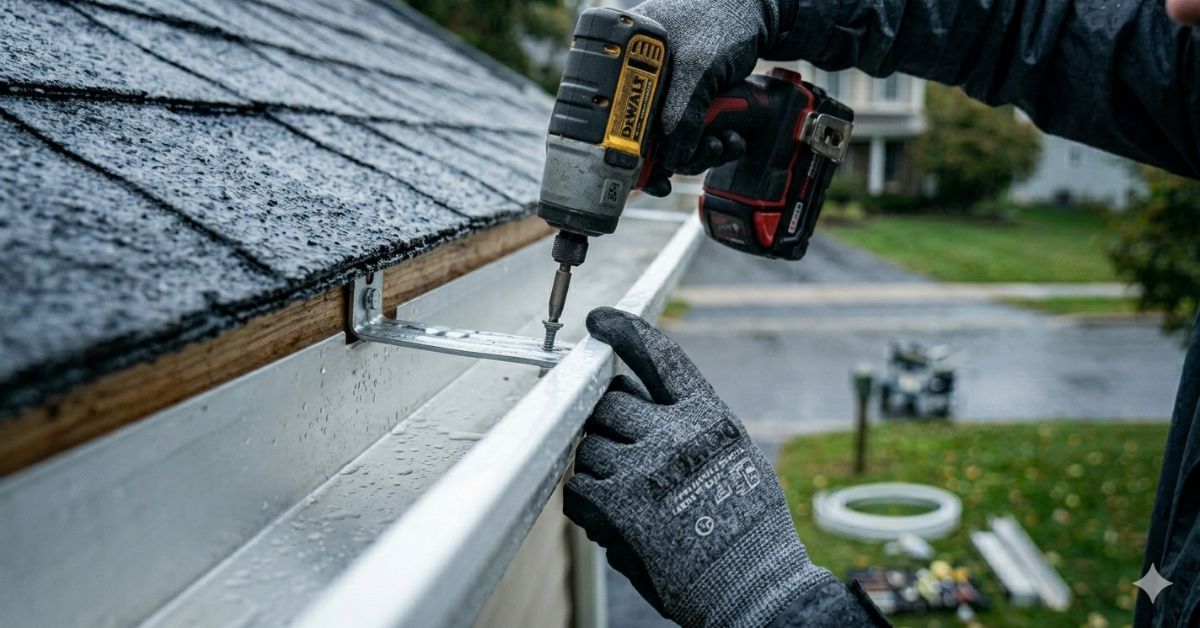
When gutters begin separating from the fascia, something behind the scenes is failing. It might be rotting wood, water trapped behind the gutter, or years of extra weight pulling against the fasteners.
Simply screwing the gutter back in place doesn’t usually solve the real issue. If water is already getting behind the system, it needs to be addressed properly before it turns into siding or foundation damage.
Why These Problems Tend to Show Up Together
What surprises many homeowners is how rarely these issues exist on their own.
Overflow leads to gutter sagging, and sagging leads to eventual gutter separation. Leaks show up wherever the system is under stress. Fixing just one visible symptom often means the next problem shows up a few months later.
This is why homeowners who use full gutter services in Atlanta usually save money in the long term. A full inspection catches the root cause, not just the obvious problem.
When DIY Fixes Stop Making Sense
There’s nothing wrong with cleaning your gutters or tightening a loose bracket. But when problems keep repeating, that’s usually your sign.
If you’re seeing the same leak every storm, sections that won’t stay level, or water collecting near your foundation, it’s time for a professional assessment. Not a sales pitch—an actual evaluation of what’s happening and why.
If you’re unsure who to trust, this homeowner checklist on choosing the best gutter company in Atlanta breaks down what to look for without the fluff.
Final Thoughts
Atlanta weather is tough on gutters. Heavy rain quickly exposes weaknesses, especially in older systems or rushed installations.
The good news is that most gutter problems don’t appear overnight—and they’re often fixable when caught early. Understanding what these common issues mean puts you in a better position to act before damage spreads.
And when repairs or replacement are needed, working with the best gutter company in Atlanta is the difference between patching the same problem again next season and actually fixing it.
You might also like
Gutters 4 Less Blog