


Seamless Gutter Installation in Atlanta: What Gutter Contractors Recommend (and Why It Matters)
If you’ve talked to a few gutter contractors in Atlanta, you’ve probably noticed something: most of them strongly recommend seamless gutters. Not as a sales pitch, but because they’ve seen what works—and what fails—after years of Atlanta rainstorms.
Seamless gutters aren’t new, but they’ve become the standard for a reason. Between heavy downpours, tree debris, and long humid seasons, Atlanta homes tend to expose weak gutter systems pretty quickly. Seamless gutters simply hold up better when conditions aren’t forgiving.
Why Contractors Rarely Recommend Sectional Gutters Anymore
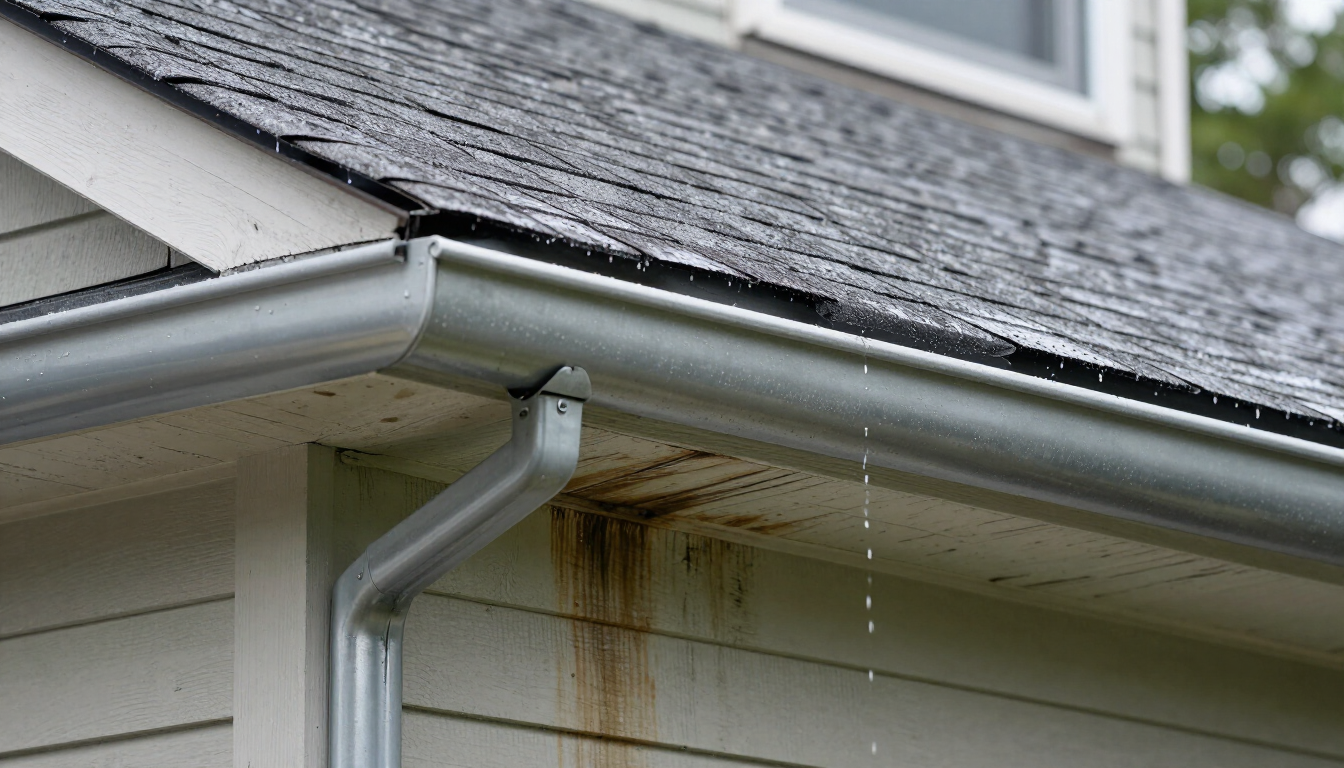
Older sectional gutters were assembled from pieces during installation. Those joints are exactly where problems usually start. Over time, seams loosen, sealant breaks down, and leaks show up where you least expect them.
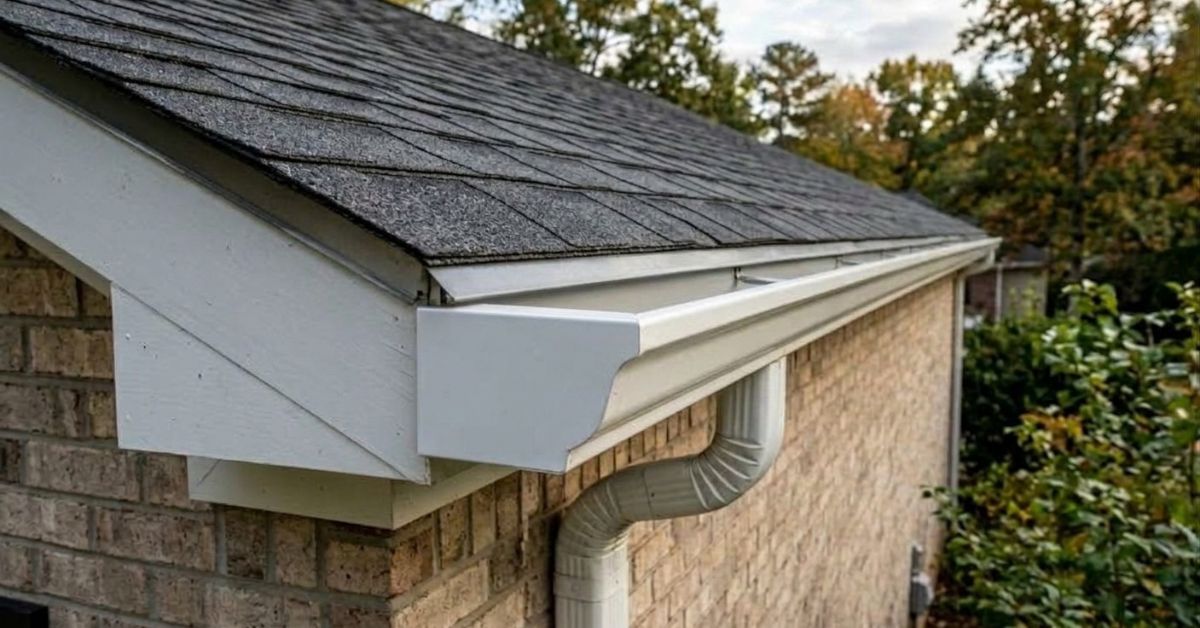
Seamless gutters are formed on-site to match the exact length of your roofline. Fewer joints mean fewer opportunities for water to escape. From a contractor’s perspective, that translates into fewer callbacks, fewer repairs, and fewer frustrated homeowners.
It’s not about being fancy. It’s about reliability.
Atlanta Weather Is the Real Reason Seamless Matters
Atlanta doesn’t get gentle rain very often. When it rains, it tends to come down fast and heavy. Add clogged valleys from nearby trees, and you’ve got a system that needs to move water efficiently, not slowly.
Seamless gutters handle high water volume better because they’re correctly pitched and run as a single continuous length. Contractors who work in Atlanta neighborhoods see the difference every storm season. Homes with properly installed seamless systems simply have fewer overflow and separation issues.
Installation Quality Matters More Than the Gutter Itself
This is something contractors don’t always say out loud, but it’s true: even seamless gutters can fail if they’re installed poorly.
Pitch, spacing, fastening, and downspout placement all affect performance. A seamless gutter that’s slightly off-level can still overflow. A poorly secured run can still sag over time.
That’s why choosing experienced gutter contractors in Atlanta, GA matters just as much as choosing the system itself. The best contractors focus less on selling the product and more on how it’s installed on your home.
Why Seamless Gutters Cost More (and Why Many Homeowners Still Choose Them)
Seamless gutter installation usually costs more upfront than sectional systems. The equipment is specialized, the measurements are precise, and the installation takes more skill.
But most homeowners who choose seamless gutters aren’t doing it to save money today. They’re doing it to avoid repeated repairs, water damage, and constant maintenance later.
From a contractor’s point of view, seamless systems tend to last longer, perform more consistently, and cause fewer long-term issues.
That’s why they’re often recommended even when cheaper options exist.
Seamless Gutters and Long-Term Maintenance
Another reason contractors favor seamless gutters is their lower maintenance requirements. While no gutter system is maintenance-free, seamless gutters are easier to keep in good shape.
Debris still needs to be cleared, especially in tree-heavy areas, but the lack of seams means fewer places for buildup to get stuck. This is also why many contractors talk to homeowners about cleaning schedules early on.
If you’re unsure how often gutters should be serviced, this contractor-based guide on how often gutter contractors clean gutters in Atlanta explains why roof type and tree coverage matter more than a one-size-fits-all schedule.
When Seamless Gutters Make the Most Sense
Seamless gutters are especially well-suited for homes with long rooflines, multiple valleys, or frequent overflow issues. They’re also a strong option if you’re replacing an older system that’s already leaking or pulling away from the house.
Contractors often recommend installing seamless gutters as part of a broader approach that includes inspection, proper drainage design, and ongoing support through professional gutter services.
Final Thoughts From Atlanta Gutter Contractors
Seamless gutters aren’t a trend—they’re the result of years of trial and error in real-world conditions. Atlanta weather doesn’t leave much room for shortcuts, and contractors see firsthand what happens when gutters aren’t properly designed or installed.
If you’re investing in a new system, listening to what experienced gutter contractors recommend can save you from repeat problems later.
Seamless gutter installation, done right, isn’t just about appearance. It’s about performance, durability, and peace of mind when the next storm rolls in.
You might also like
Gutters 4 Less Blog