


A No-Fluff Guide to Gutter Guards in Atlanta, GA
(Types, Pros, Cons, and Who Should Skip Them)
Gutter guards sound like a “set it and forget it” upgrade. No more clogs. No more cleaning. No more ladders. At least, that’s how they’re usually sold.
But for Atlanta homeowners, the reality is a little more nuanced. With heavy rain, dense tree cover, and long pollen seasons, gutter guards can be either a smart investment or a waste of money, depending on the home.
This guide breaks down what gutter guards actually do, the types you’ll see most often in Atlanta, and when local gutter service contractors decide it’s smarter to skip them altogether.
Why Gutter Guards Are Popular in Atlanta
Atlanta has a perfect storm of gutter problems: tall trees, frequent rain, and storm debris that piles up on roofs endlessly each year. Pine needles, leaves, pollen, and small twigs can clog even well-installed drainage systems.
That’s why many homeowners start looking into gutter guards after dealing with repeated cleanings or overflow issues. The idea isn’t zero maintenance—it’s less maintenance.
The Most Common Types of Gutter Guards (And How They Really Perform)
There are several styles on the market, but most fall into a few main categories. Each works a little differently, and none are perfect.
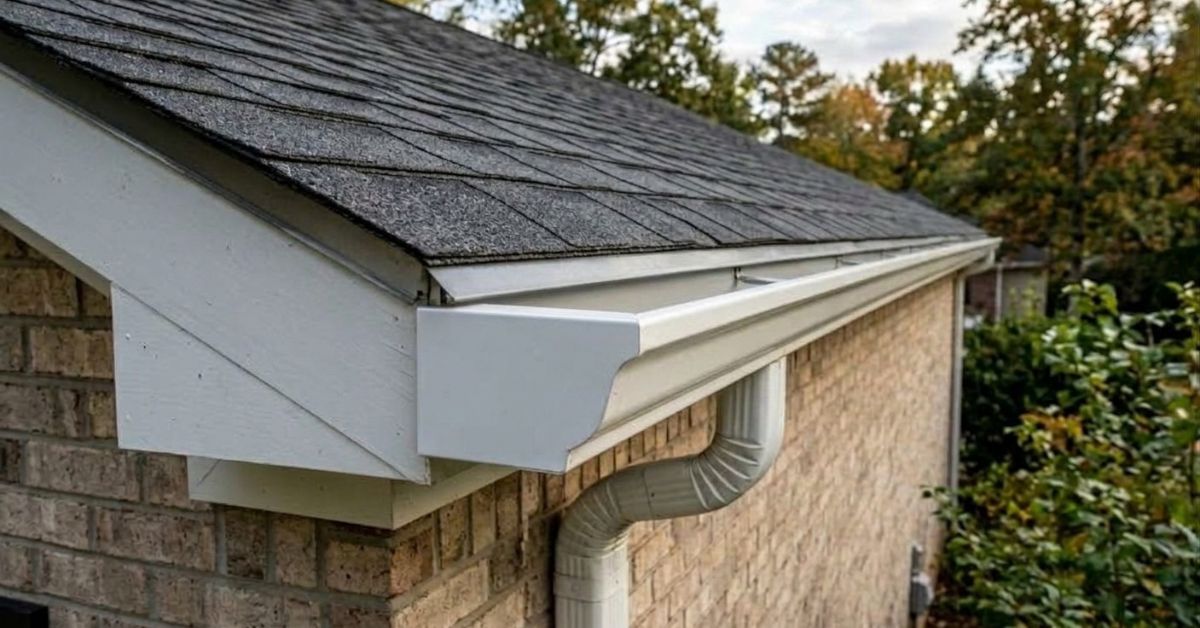
- Screen guards sit atop the gutter and block larger debris. They’re affordable and help with leaves, but fine debris and pollen still get through.
- Micro-mesh guards filter out smaller particles and are popular in areas with many trees. They perform well but can clog on the surface if not installed or angled properly.
- Reverse-curve guards direct water into the gutter while shedding debris over the edge. They work best in steady rain but can struggle during heavy downpours.
- Foam inserts sit inside the gutter and absorb water while blocking debris. They’re inexpensive but tend to wear out faster in humid climates like Atlanta’s.
The key takeaway is this: gutter guards don’t eliminate maintenance. They reduce how often you need it—and how messy it gets.
When Gutter Guards Make Sense
Gutter guards tend to work best for homes with heavy tree coverage, where clogs happen frequently. They’re also helpful for homeowners who don’t want to climb ladders or can’t easily access their roofline.
They can be especially useful when installed as part of a complete gutter system rather than added onto old, sagging gutters. This is where working with a professional who understands full gutter services in Atlanta makes a real difference.
When You Should Probably Skip Them
Gutter guards aren’t always the right solution. Homes with minimal tree coverage often don’t see enough benefit to justify the cost. In some cases, guards can even hide problems like improper pitch or loose fasteners.
They’re also not ideal if gutters are already damaged or pulling away from the house. Installing guards over existing issues usually leads to bigger problems later.
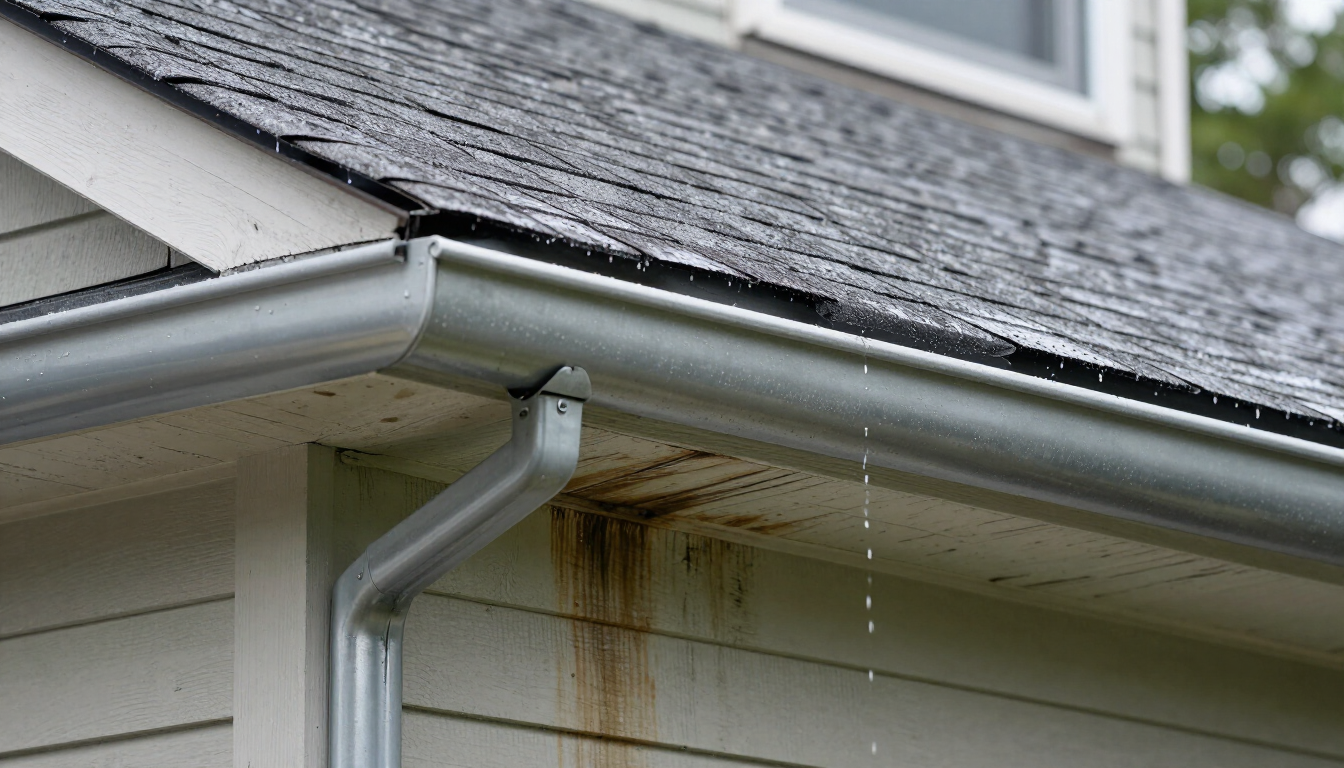
If you’re already dealing with leaks, overflows, or sagging, it’s worth identifying the root cause first. Many common issues Atlanta homeowners search for, including gutters pulling away or overflowing during storms, are covered in this guide on gutter problems Atlanta homeowners Google most.
Installation Quality Matters More Than the Product
This is where a lot of frustration comes from. Even the best gutter guard won’t perform well if it’s installed incorrectly.
Pitch, spacing, fastening, and alignment all matter. Poor installation can cause water to shoot over the edge, pool behind the gutter, or back up under the roofline. These issues often get blamed on the product when the real issue is how it was installed.
This is also why the best gutter company in Atlanta won’t automatically recommend gutter guards for every home. A good contractor evaluates the roofline, tree coverage, and drainage before making any recommendations.
What to Expect for Cost and Maintenance
Gutter guards add to the upfront cost of installation, and prices vary depending on material and home layout. While they reduce cleaning frequency, most systems still need periodic inspection—especially after heavy storms.
Think of gutter guards as a convenience upgrade, not a permanent solution. They work best when paired with properly installed gutters and occasional professional checkups.
Final Thoughts on Gutter Guards in Atlanta, GA
Gutter guards aren’t magic, but they’re not a scam either. For the right home, they can save time, reduce mess, and make gutter maintenance easier. For others, they add cost without much benefit.
The smartest move is getting advice based on your specific home—not a one-size-fits-all pitch. A contractor who understands Atlanta’s weather and housing styles will tell you honestly whether gutter guards make sense for you.
That is often what separates a decent contractor from the best gutter company in Atlanta.
You might also like
Gutters 4 Less Blog