


Aluminum vs Steel vs Copper Rain Gutters in Buford, GA: Pros, Cons, and Costs
Picking a rain gutter material seems like a small decision until the quotes come in. Three numbers. Three sets of trade-offs. Three different conversations about what your Buford home actually needs. Aluminum, steel, or copper. Which is the right call?
The job is the same for all three. Move water from the roof to a downspout, away from the siding and the foundation. The differences show up later. In lifespan. In how the material weathers Georgia's climate. In the spread between sticker price and long-term value.
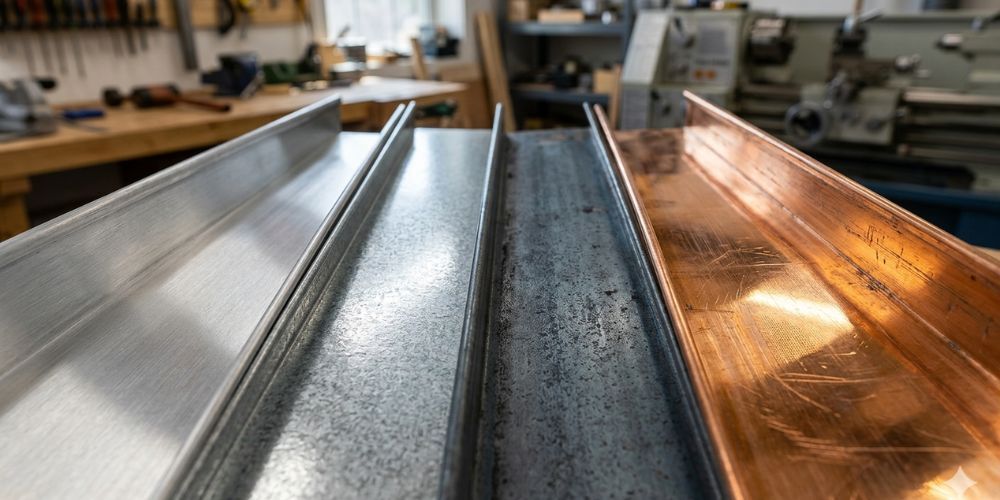
Here's a side-by-side that walks through each
rain gutter material option in Buford on its own terms. Strengths. Weaknesses. The kind of Buford home each one tends to fit.
Aluminum Rain Gutters in Buford
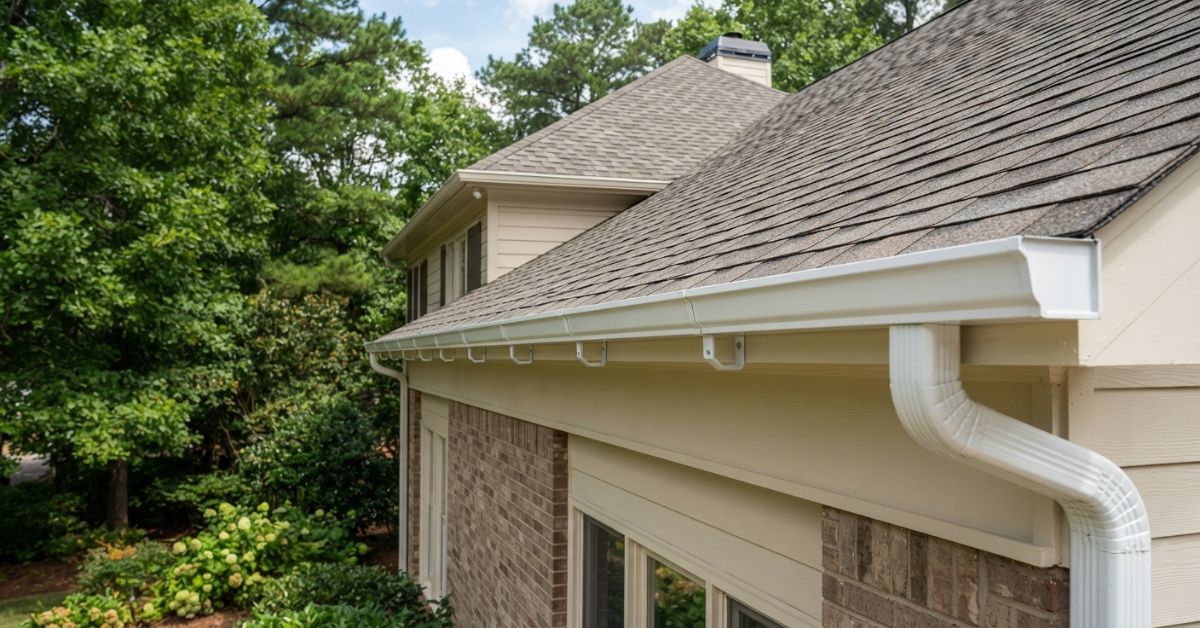
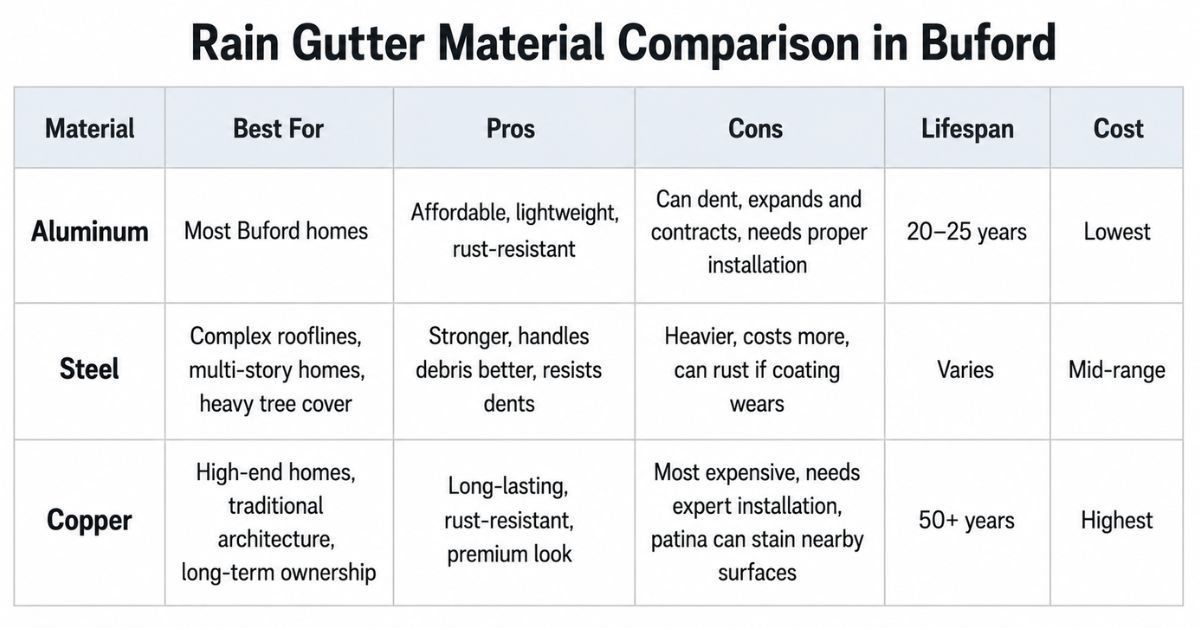
Aluminum is the most widely used rain gutter material across the Atlanta metro, and that holds for Buford too. It's affordable, light, and rust-resistant. Three qualities that align well with Georgia's humidity and the kind of mixed-style residential construction you see across the area.
That said, aluminum sits on the softer side. Hail dents it. Bigger summer storms can damage exposed sections. The metal expands and contracts with temperature swings, which means installation quality matters a lot more than most people realize.
A well-pitched system, regardless of material choice, will hold up and maximize its lifespan. A rushed one tends to sag within a few seasons and fail outright, not because of material properties but because of how it was installed.
Lifespan is solid: 20 to 25 years is the typical range, longer with consistent maintenance.
On price, aluminum is generally the most affordable rain gutter material on the market. Exact cost varies with project size, gutter style, downspout count, and site conditions. For a number specific to your home, contact Gutters 4 Less for an estimate.
Aluminum is the practical choice for most Buford homes. Affordable enough. Durable enough. Forgiving on installation when the contractor knows the work.
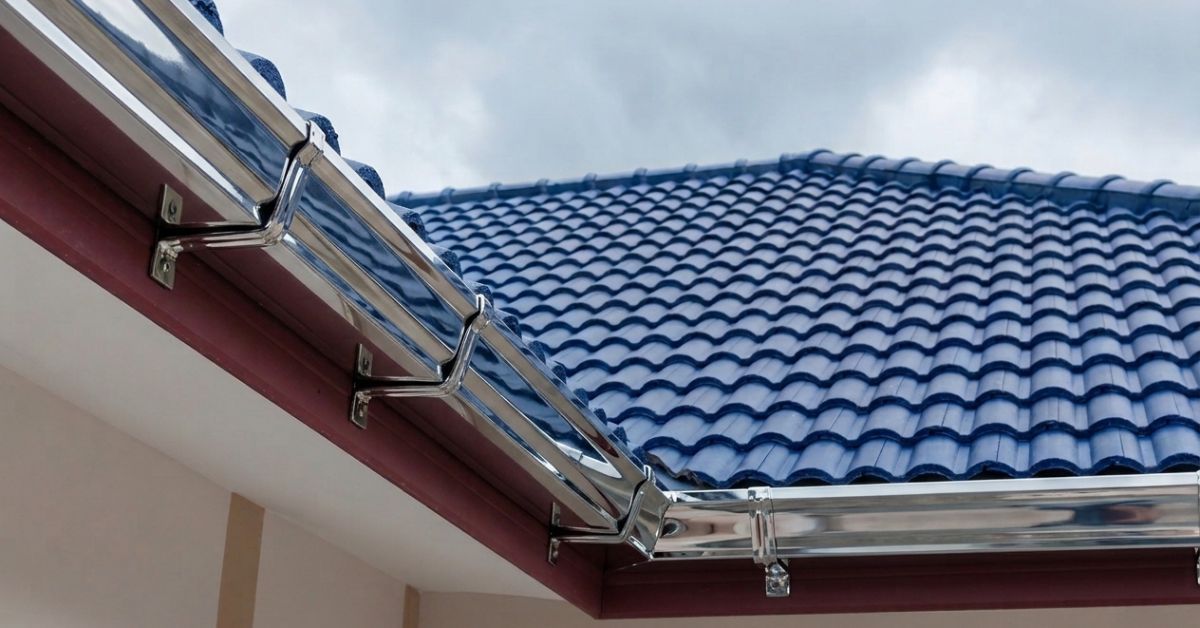
Steel Rain Gutters in Buford
Steel is the durability play. Where aluminum runs into its limits (multi-story homes, complex rooflines with valleys and dormers, properties where water flow concentrates at one or two corners) steel takes over. Stronger. Heavier. More forgiving when debris loads start piling up.
Two grades come up in residential work:
- Galvanized steel. Zinc coating, handles standard conditions well.
- Galvalume. Zinc-aluminum alloy coating that performs noticeably better in humid climates. For most Buford homes considering steel, this is the recommended grade.
What does steel actually buy you? Strength, mostly. Pine cones, branches, and the kind of incidental impacts that would dimple aluminum tend to bounce off steel. The system also handles heavier debris loads without sagging, which matters for properties under mature tree cover.
The downsides are real. Steel is heavier, which adds installation time and cost. The protective coating can be scratched or wear through, and once that happens, rust shows up faster in Georgia humidity than homeowners expect. Color options are also more limited for steel rain gutters than aluminum ones.
Cost-wise, steel falls between aluminum and copper. The exact price depends on the grade, the project, and the installation conditions. For an accurate quote on your home, reach out to Gutters 4 Less.
Worth the upgrade on the right home. Probably overkill on a clean ranch with two simple runs.
Copper Rain Gutters in Buford
Copper sits at the top of the rain gutter hierarchy. More expensive than aluminum or steel by a meaningful margin, but also longer-lasting, often outliving the roof above it.
The appearance is what most homeowners think about first. New copper has a warm reddish-brown finish. Within a few Georgia summers, it darkens. Within a decade or so, it develops the greenish patina associated with traditional architecture. Some homeowners want that progression and consider it a feature. Others prefer to maintain the original brightness, which means committing to an annual lacquer coat. A maintenance commitment worth considering before choosing the material.
When it comes to longevity, copper tends to last longer than the other two. A properly installed copper system can last 50 years or more.
Copper's resistance to rust and corrosion is a known property of the metal, not a marketing claim.
A few practical considerations come with the territory:
- Professional installation is non-negotiable. Soldered seams, expansion details, proper hangers. All of it matters, and a poor install can lead to staining or early failure.
- Patina runoff can mark light-colored siding or roofing if the system isn't detailed and sealed correctly.
- In some neighborhoods, copper's scrap value can attract theft, particularly on accessible first-floor runs.
Copper is the most expensive rain gutter material a homeowner is likely to consider. Pricing varies dramatically based on project size, complexity, and detailing. For Buford homes weighing copper, contact Gutters 4 Less for an accurate, project-specific estimate.
Copper is best suited to homes where the budget supports the investment, the architecture rewards the look, and the homeowner expects to stay in place long enough for the lifespan to pay back.
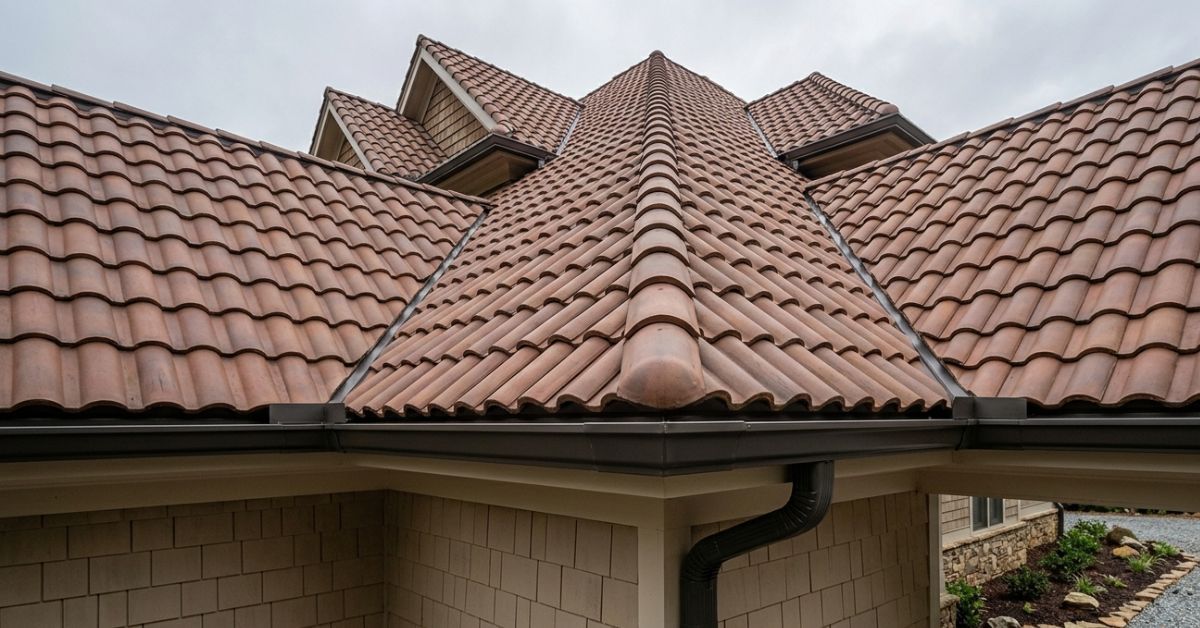
How to Choose the Right Rain Gutter Material for Your Buford Home
Three questions tend to settle the decision.
How much can you spend right now?
Aluminum is the most affordable. Copper is the most expensive. Steel sits in the middle. The practical answer is usually whatever fits the project budget today. Long-term cost calculations rarely change the decision unless you're staying in the home for decades.
How complex is your roof?
A clean ranch with two or three downspouts pairs well with aluminum. A more complex roof (multiple valleys, dormers, skylights, or two-story corners that concentrate water) is a stronger candidate for steel or copper. If you're not sure where your roof falls, an experienced Buford gutter contractor can review the rooflines and recommend the right material based on pitch, square footage, and water flow during heavy rain. Our piece on how roof pitch and square footage affect rain gutter sizing is useful background reading before that conversation.
How long are you staying?
Five to fifteen years and out, aluminum in most cases. Twenty years or more, especially in a home where the architecture supports the look, copper makes the long-term math work. Steel often slots into the middle range.
Appearance matters too. Aluminum tends to disappear into a home's exterior. Copper draws the eye and develops character as it ages. Steel reads more utilitarian. Worth knowing: seamless gutter systems are available in all three materials, so the choice between seamed and seamless can be made independently of the metal.
Final Thoughts on Aluminum, Steel, and Copper Rain Gutters in Buford
All three materials work in Buford homes. Aluminum is the everyday workhorse. Affordable, reliable, and right for most properties. Steel is the durability upgrade for homes that need it. Copper is a long-term investment for homeowners with the budget, the architecture, and the time horizon to make it worthwhile.
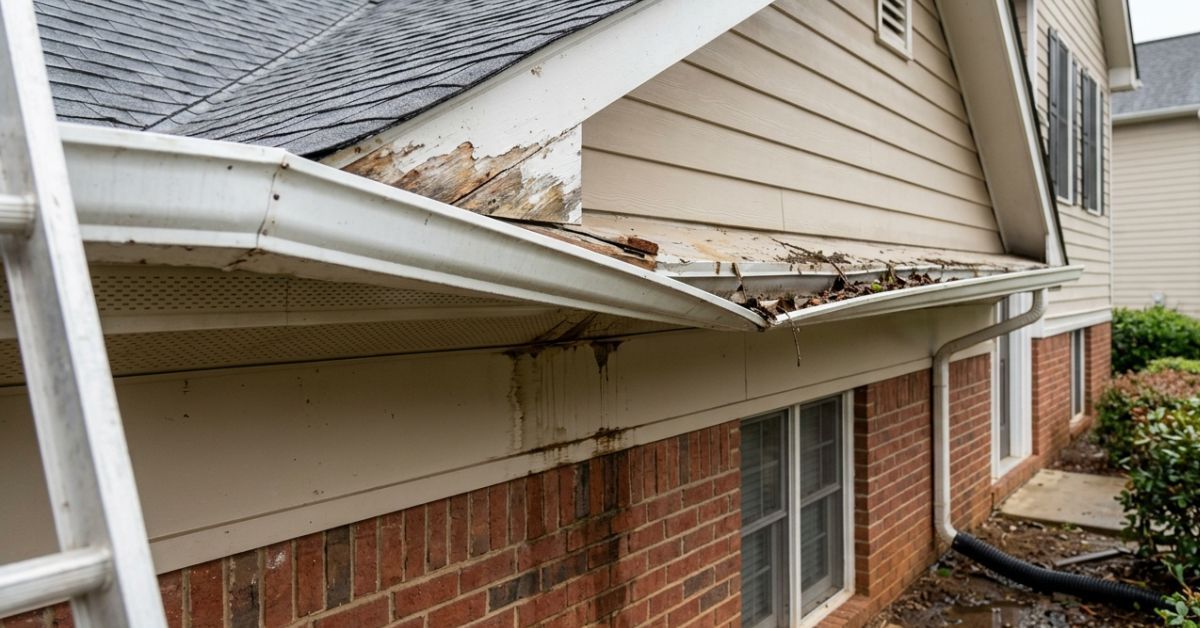
If the existing system is already showing wear, our walkthrough of
signs your rain gutters are failing helps separate a material upgrade from a full replacement decision. Either way, get in touch with Gutters 4 Less for
rain gutter installation in Buford. We'll walk the roofline, take measurements, and recommend the rain gutter material and configuration that fits your situation.
You might also like
Gutters 4 Less Blog