


When Alpharetta Homeowners Should Replace Gutters Instead of Repairing Them
Almost no Alpharetta homeowner wants to hear that the gutters need replacing rather than repairing. Repair sounds cheaper, faster, and less disruptive, and a lot of the time it is the right answer.
The tricky part is that the line between the two is not obvious from the ground. A gutter that leaks in one corner and a gutter that has three failing seams look about the same from the driveway, but they call for very different work.
Here is how we think about it, what tips a system from repairable into replace territory, and what we actually look at before recommending either one.
When a Gutter Repair Is Still the Right Call
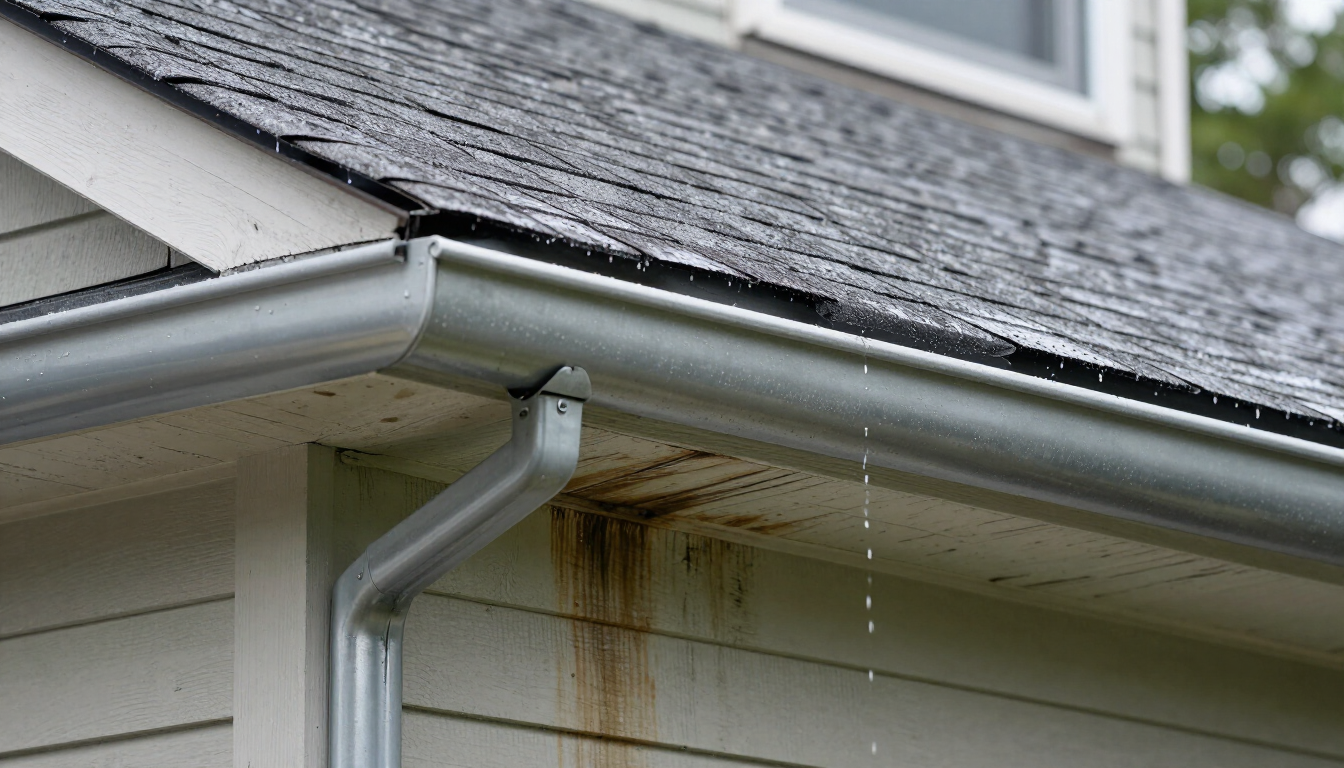
Most of what goes wrong with a gutter system is local. One seam opens up, one hanger backs out, a downspout comes off its strap, or a short section gets dented by a limb.
If the damage is contained to one or two spots and everything around it is solid, repair is the sensible option. Reseal the joint, re-secure the hangers, correct the pitch on that stretch, and the system goes back to doing its job.
Age alone does not force a replacement either. A well-installed aluminum system that has been kept clear can hold up a long time, and swapping it out because of a number on a calendar is spending money for no reason.
Signs It Is Time to Replace Gutters in Alpharetta
What changes the math is when problems stop being local. Once failures start showing up in several places at once, each repair buys less time than the one before it.
The signals we pay attention to:
- Leaks or separated seams in three or more places
- Sagging across multiple runs, not just one dip
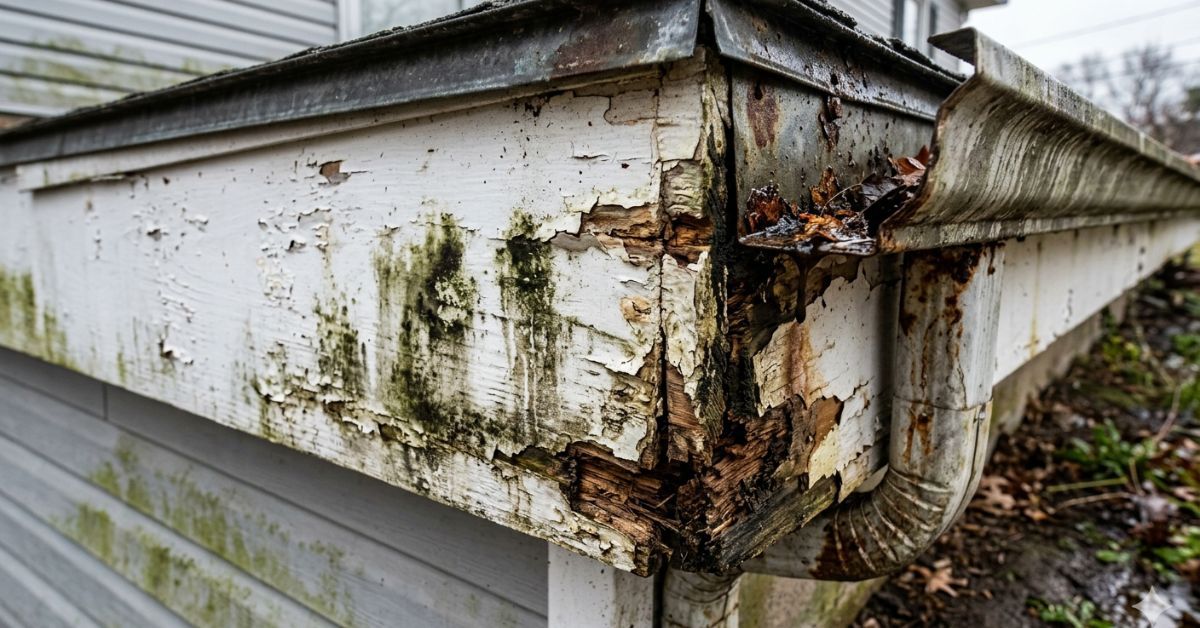
- Fasteners that will not hold because the fascia has softened
- Cracks, splits, or corrosion spread along a run
- Pitch that has shifted enough that water sits after every rain
When several of those show up together, you are usually not looking at a gutter problem anymore. You are looking at a system that has reached the end of what it can do, and continuing to patch it means paying for the same visit repeatedly.
Why Alpharetta Homes Reach That Point
Two things around Alpharetta tend to move a system toward replacement faster than a homeowner would expect. The first is tree cover. A lot of neighborhoods through Crabapple, Milton, and the older sections off Windward sit under mature hardwoods, and constant debris keeps gutters heavy and holding water.
The second is what that weight does over years. Standing water and packed debris put steady downward load on the hangers, hangers work loose, the run starts to sag, and the sag makes water pool even more. It is a slow loop, and it usually ends at the fascia.
Undersized gutters make it move faster still. If a large roof area is feeding into a 5-inch run, the system spends a lot of its life at capacity, which is worth understanding if you are weighing 5-inch versus 6-inch gutters for Alpharetta rainfall.
What Replacing Gutters Actually Solves
The honest answer on whether replacement is worth it depends on what you are trying to fix. But not in a vague, frustrating way, because the deciding factor is usually the fascia.
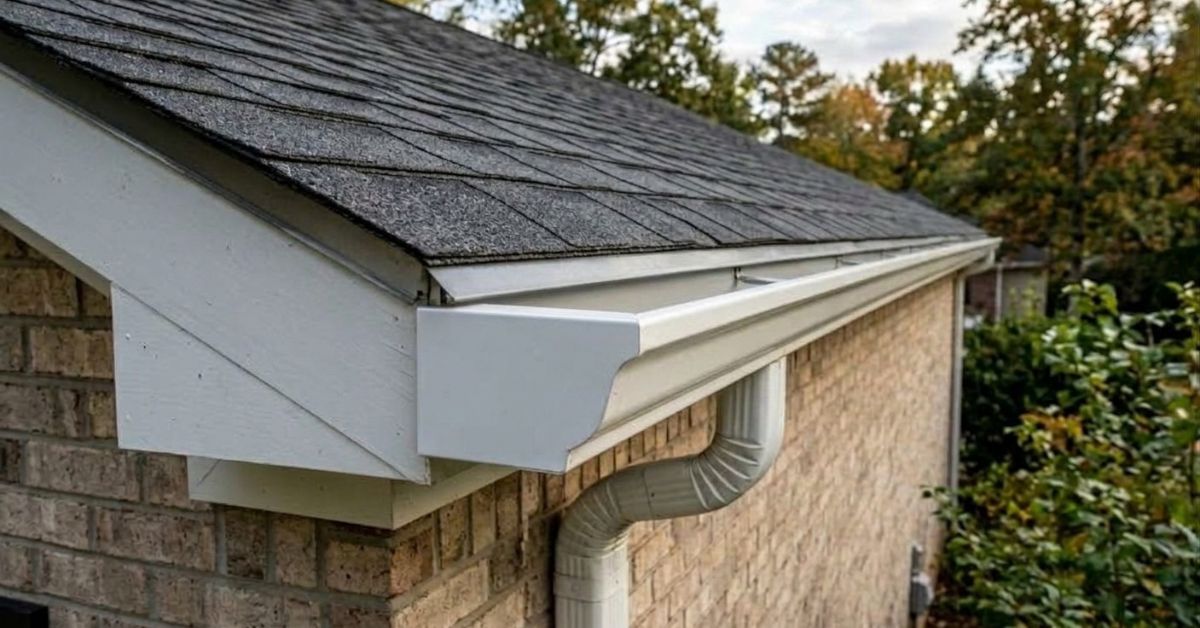
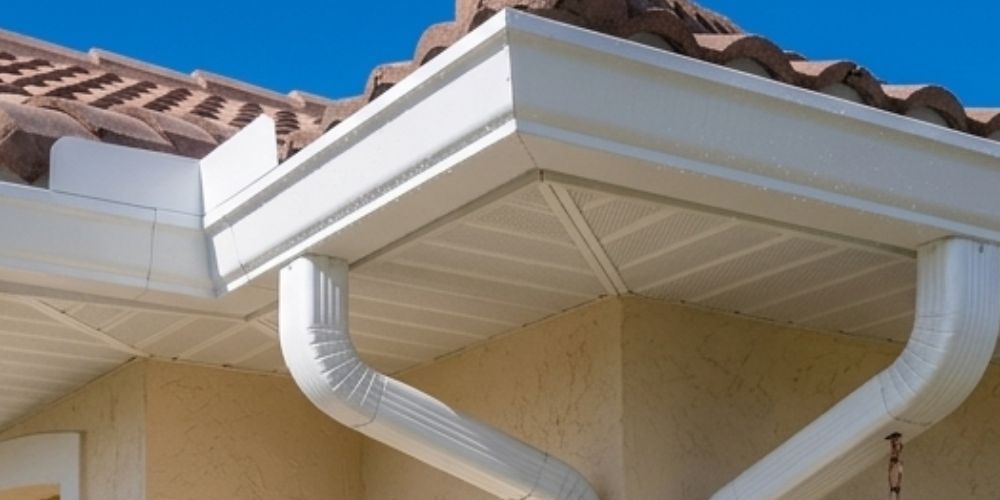
Replacing gives us a chance to address what is behind the gutter, not just what is hanging on it. We can check and repair the fascia, reset the pitch across the whole roofline instead of one section, size the run and the downspouts for the actual roof area, and put the whole system on consistent hangers.
That last part matters more than it sounds. A system that has been repaired piecemeal over a decade often has three generations of hardware on it, and the weakest section sets the standard for the whole run.
How We Decide Which One to Recommend
When we come out to an Alpharetta home, we are not counting problems. We are looking at whether the failures share a cause.
If three leaks trace back to one settled section, that is a repair. If three leaks trace back to fascia that can no longer hold fasteners, patching the seams solves nothing, and we will say so. We check the pitch along each run, the condition of the wood behind the gutter, the downspout sizing against the roof area feeding it, and how the existing hardware is holding.
Making the Right Call on Your Alpharetta Gutters
Once we know the cause, we lay out both paths with what each one does and does not fix. This is not about choosing the cheaper option today. It is about choosing the option that stops the same phone call from happening next spring.
If you are somewhere between repair and replacement and want a clear read on which one your home actually needs, get in touch with Gutters 4 Less. You can also see what a visit looks like in our guide on
gutter repair in Alpharetta and what to expect, or read more about our
gutter installation in Alpharetta.
You might also like
Gutters 4 Less Blog