


Gutter Contractor Responsibilities After Installation
In our experience working on rain gutter installations across Atlanta, many homeowners aren’t sure what a gutter contractor is responsible for once the installation is complete.
This document aims to provide homeowners in Atlanta with an overview of the job of gutter contractors after installation, as well as what is normally excluded in the process, and what you need to watch out for.
Contractors may address these items so the system functions properly for a long period of time.
What Gutter Contractors Are Typically Responsible For After Installation
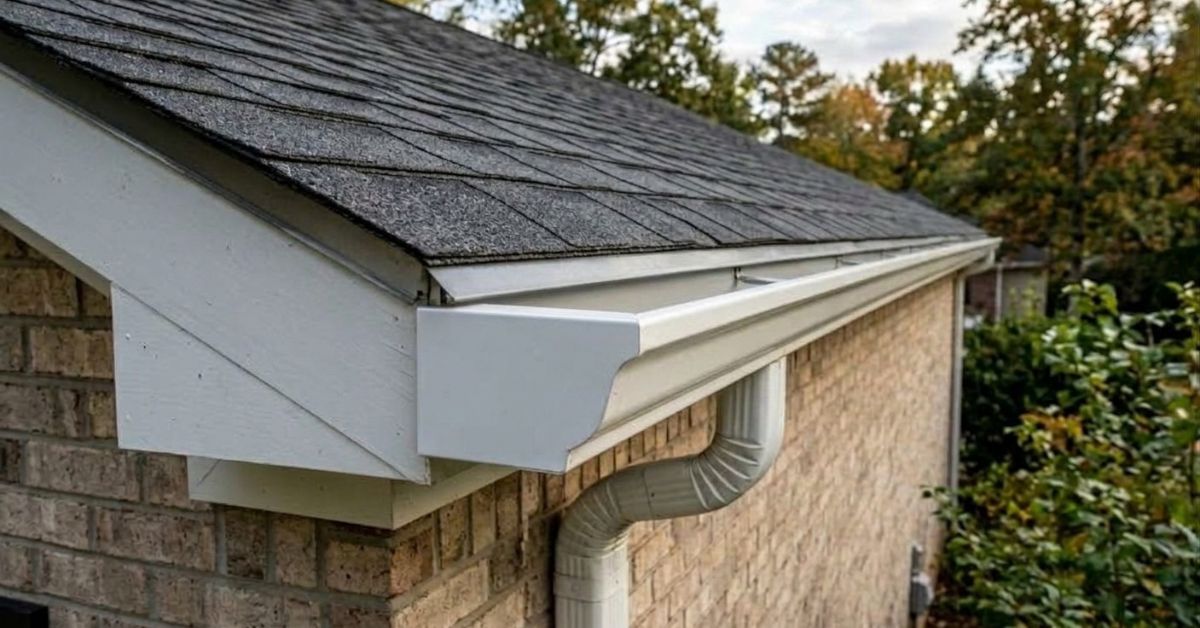
The workmanship of an installed system is usually guaranteed by a professional gutter contractor after installation. Workmanship includes making the gutters securely attached, properly sloped to direct water below, and correctly connected to downspouts.
The contractor also confirms that seams, end caps, and outlets are installed correctly to reduce leak occurrences.
A quality contractor also verifies that downspouts discharge properly and that water flows through the system without backing up under normal conditions.
What Gutter Contractors Are Generally Not Responsible For
There are only so many things that contractors are responsible for once the work is already out of their hands. Incidents brought about by external factors like a falling branch, a severe storm, or the accumulation of debris over time are not exactly classified under the job of installation.
These can occur despite a correctly functioning gutter system. Contractors are also not responsible for any underlying issues related to the actual structure of the gutter installation.
This means they would not be responsible for anything such as a rotting fascia board as a result of past installation, as well as other concerns related to poor grade around the home.
Maintenance of the installation would fall under the responsibility of the homeowner unless a maintenance agreement is made.
How To Tell The Difference Between Workmanship Issues And Normal Wear
Other changes to a gutter system after installation are natural and take some time to develop, while others may indicate workmanship issues.
The normal wear usually includes a gradual debris accumulation, minor cosmetic changes, or performance problems due to weather exposure that may become apparent months or even years later.
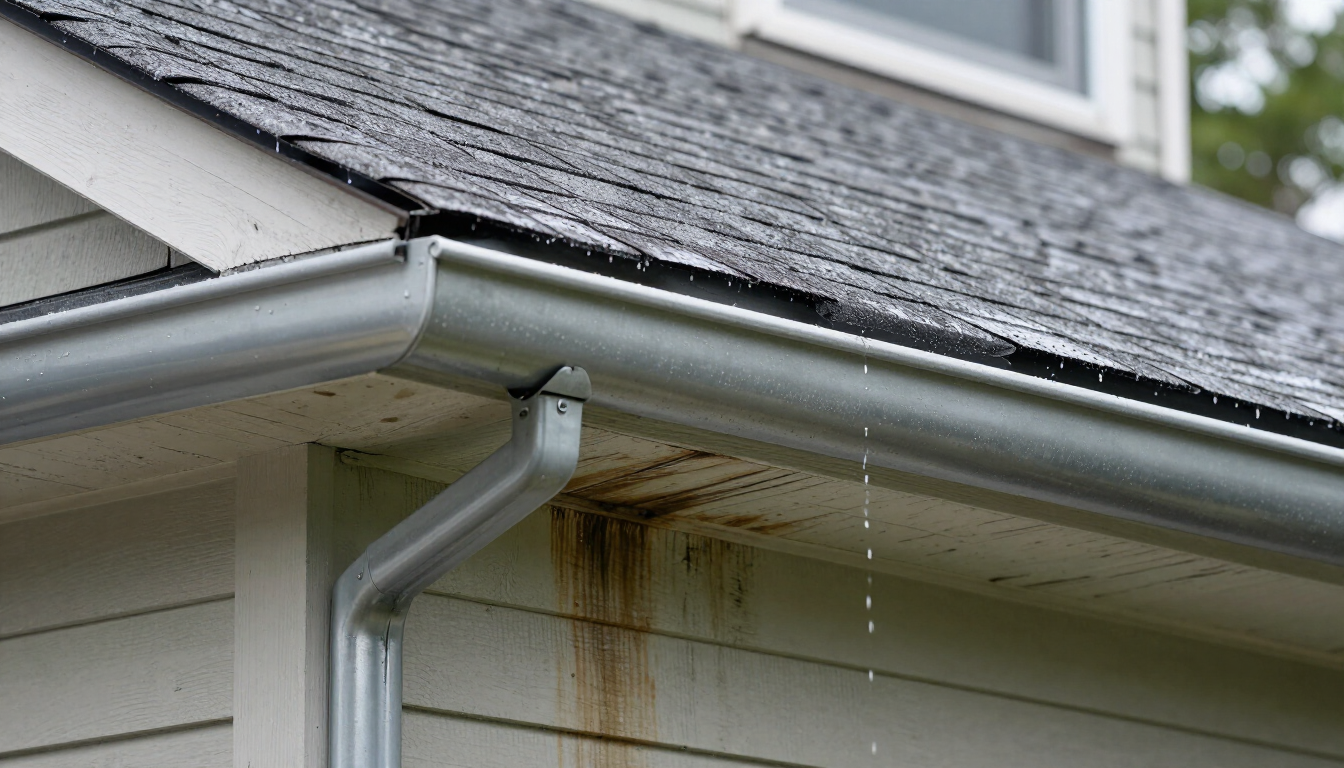
For the most part, problems with workmanship manifest themselves pretty shortly after installation. Gutters pulling away from the fascia, evident sagging, improper slope resulting in standing water, and leaks at seams are typical examples of recently installed gutters.
The Role Of Warranties And Follow-up Adjustments
Warranties can also help understand what the gutter contractor will be responsible for after installation. Workmanship warranties may extend to problems concerning how the guttering system was installed, such as how it was attached, the slope of the installation, and how it was sealed.
Material warranties can also come into place if applicable. Even follow-up adjustments could be part of a professional installation service. In some cases, minor issues involving adjustments and connectivity may come up soon after the installation, and contractors may address these items so the system functions properly.
Knowing about warranties would definitely give homeowners an idea of when to seek assistance and what to inform contractors about.
How Post-installation Responsibilities Fit Into Rain Gutter Service In Atlanta
By knowing what happens after installation, one gains a different perspective on gutter work as a system rather than a single event. Installation quality, maintenance practices, and environmental factors all have a bearing on gutter efficiency in the long run.
These are just a few factors that relate to rain gutter service Atlanta. Installation forms a foundation, but later factors have a slight input.
Clarifying contractor responsibilities also helps homeowners know who to contact when issues arise.
This is especially useful when comparing roles across different trades. For a broader overview of how gutter contractors differ from other exterior professionals, it can help to understand the scope of work specific to gutter contractors, and how that role fits alongside roofers, siding crews, and general handymen.
You might also like
Gutters 4 Less Blog